Exploring Instinct, Materiality and Abstraction.
For British abstract artist Marcus Aitken, painting is as much about the physical act of making as it is about the finished work. Originally trained in illustration at the London College of Communication, Aitken moved away from the constraints of commercial design to develop a more instinctive and experimental approach to painting.
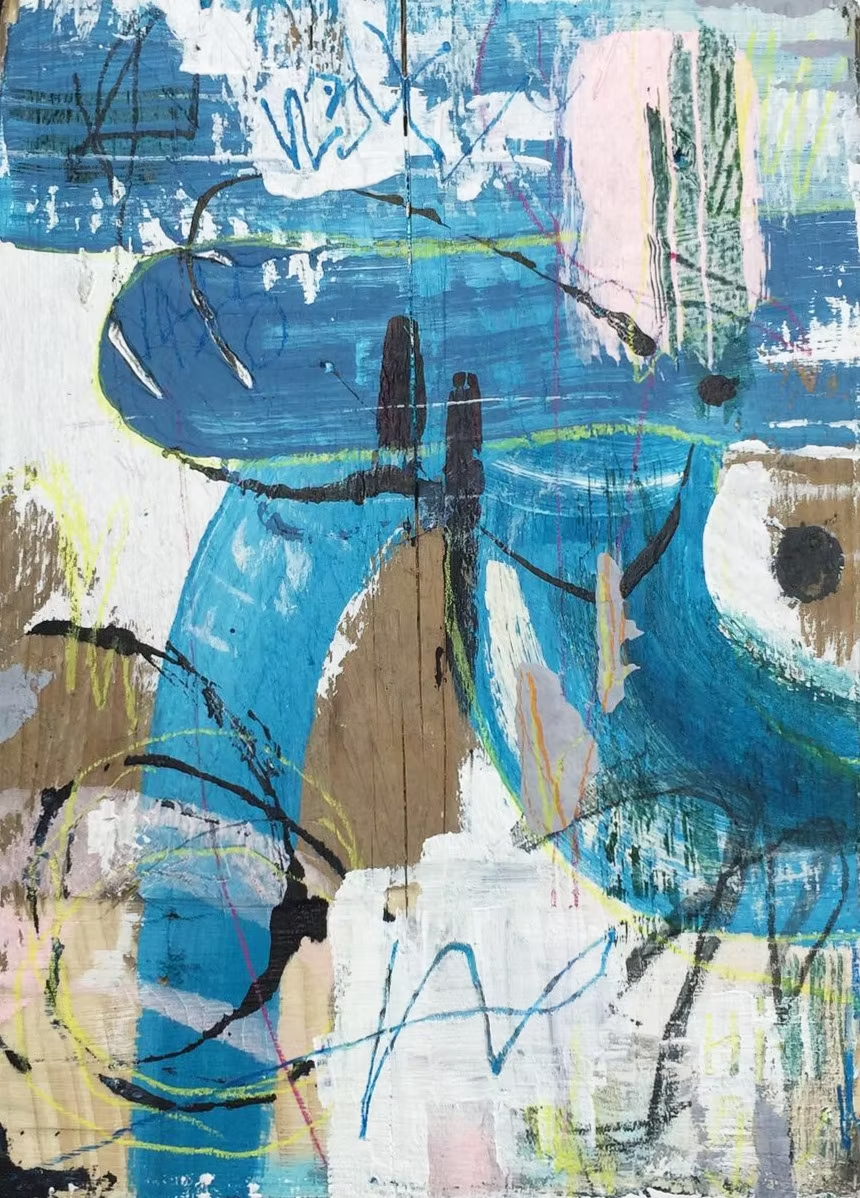
Now based in Margate, his practice centres on layering, scraping, rebuilding and allowing unexpected marks and textures to influence the direction of each piece. Often working directly with his hands, he creates energetic, richly textured compositions in which earlier decisions remain embedded beneath the surface.
His work has been exhibited internationally, featured in publications including Schön! Magazine and Condé Nast, and acquired for the Soho House art collection. His paintings have also appeared at Christie’s, while recent exhibitions include his solo show ‘Held in the Grip’ in Margate in September 2026.
Increasingly interested in unconventional materials and the relationship between painting and sculpture, Aitken continues to explore the possibilities of abstraction. In this interview, he discusses moving beyond his design background, the importance of instinct, the influence of music and his surroundings, and why sometimes destroying part of a painting is the best way to move it forward
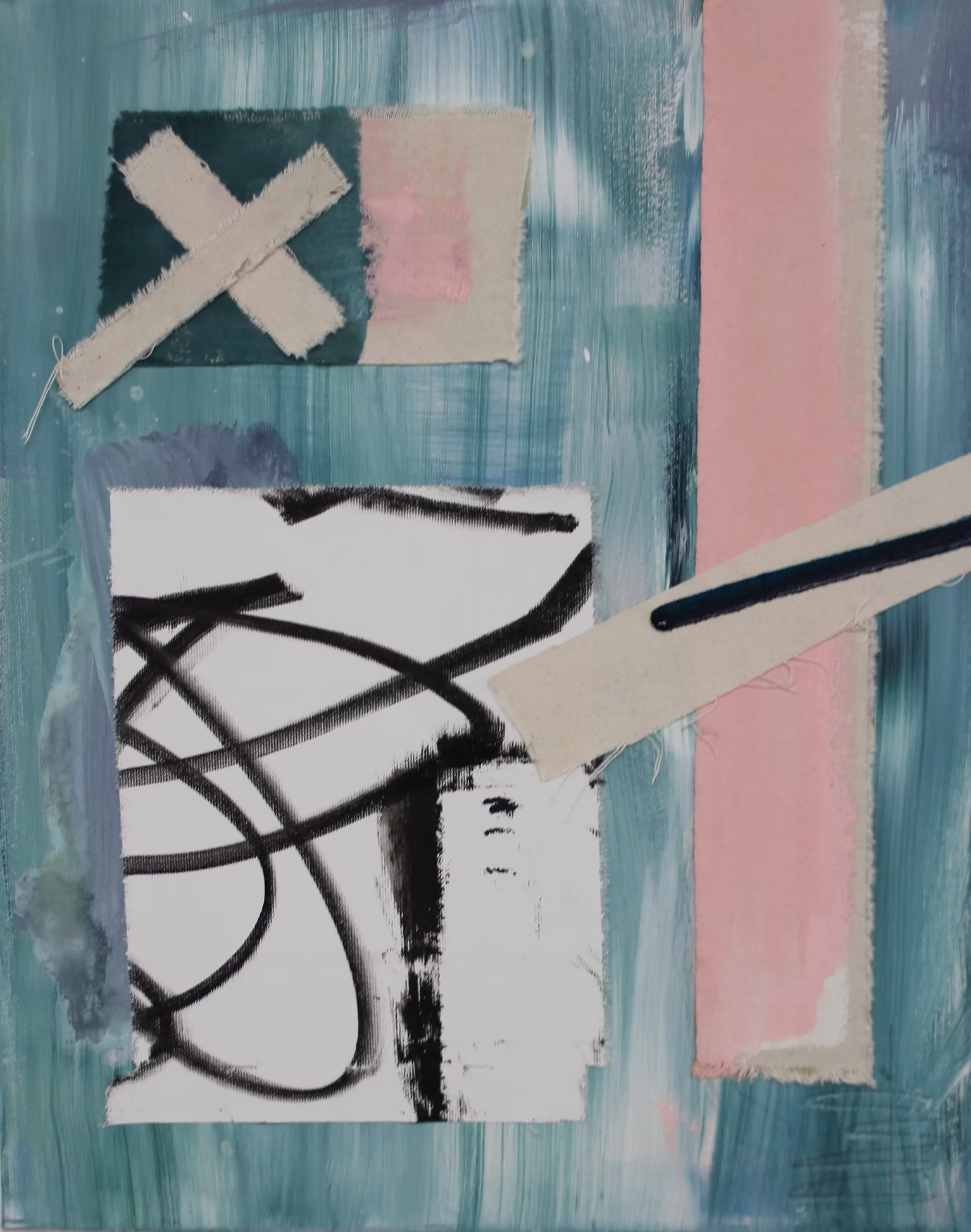
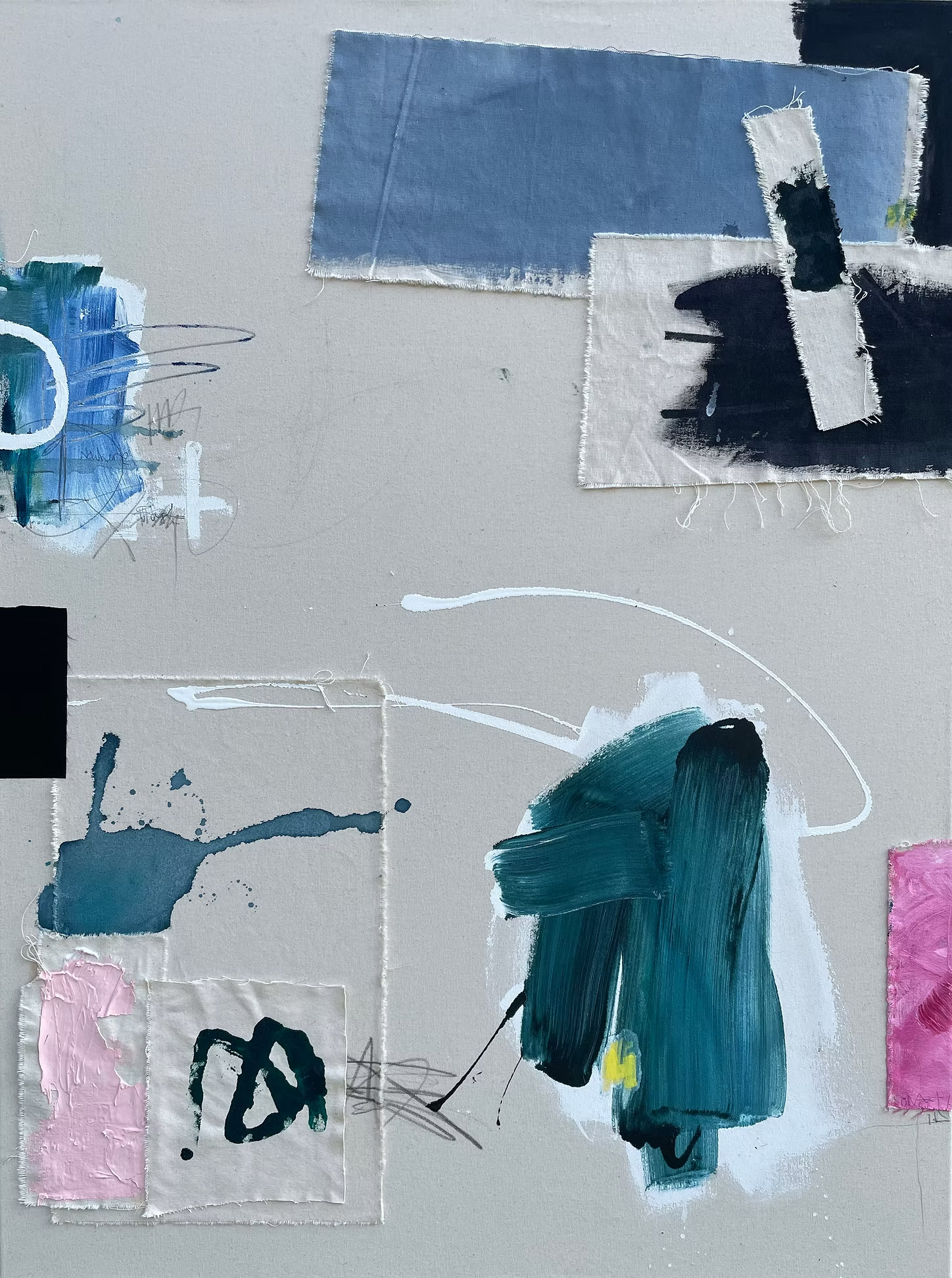
What drew you from illustration and design towards abstract painting?
I think I just got to a point where I wanted a bit more freedom. With design and illustration, there’s often a brief, a purpose or an end goal. Painting felt like a way to get away from that and just see what happens when you start making marks without really knowing where they’re going to end up.

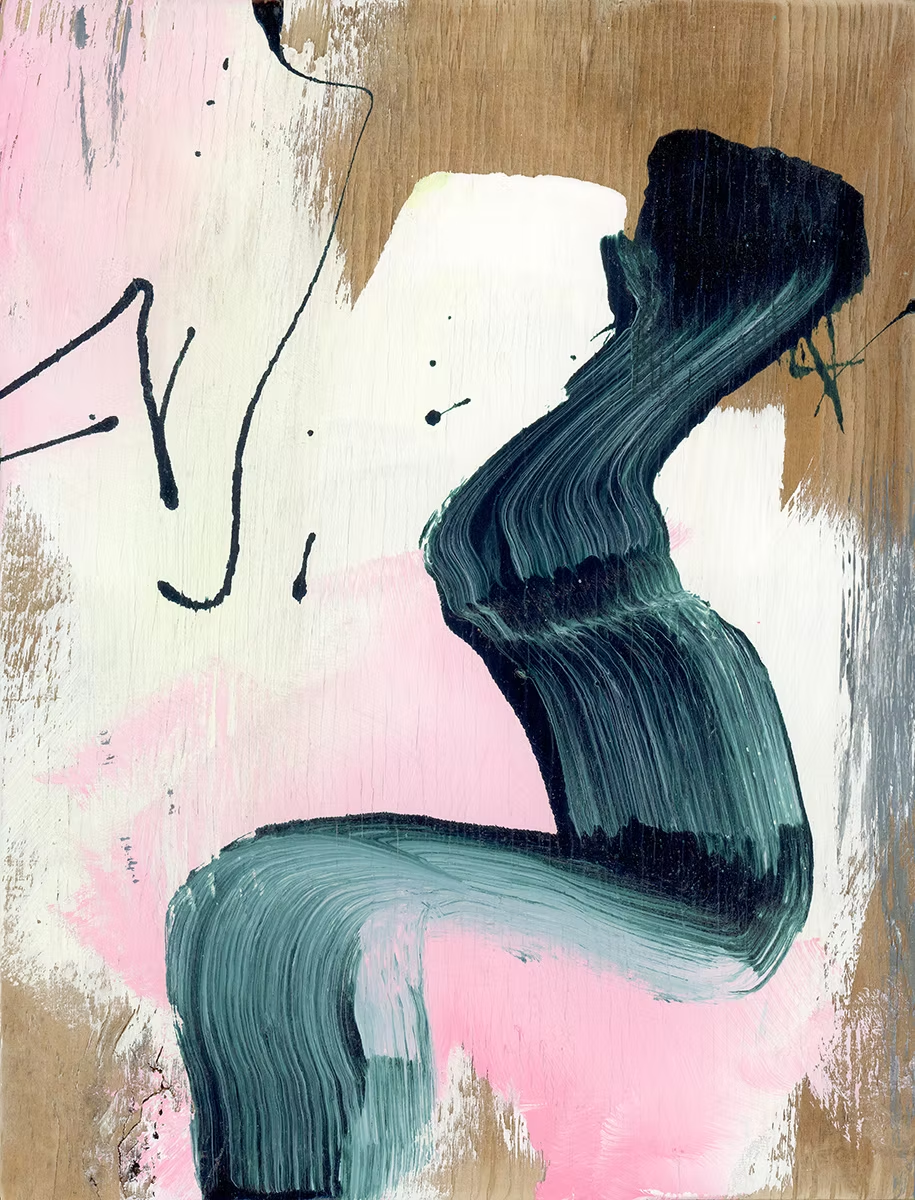

How does your design background still influence the way you work?
I’m sure it does, probably more than I realise. I think I’m naturally drawn to composition, balance and colour, but I try not to overthink those things. I like that painting allows me to use some of that background, but also completely ignore it when I want to.
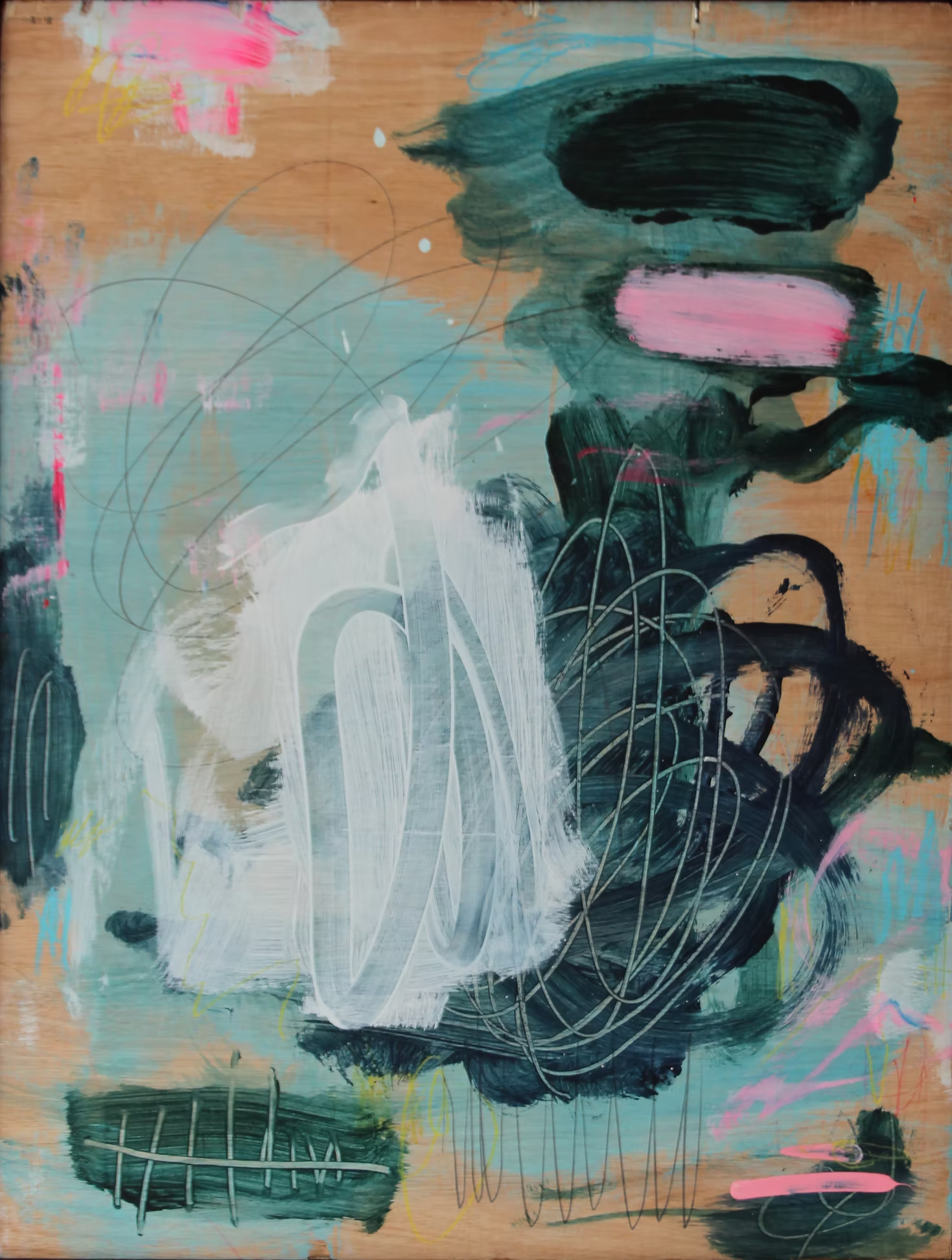
What usually prompts the first mark on a new painting?
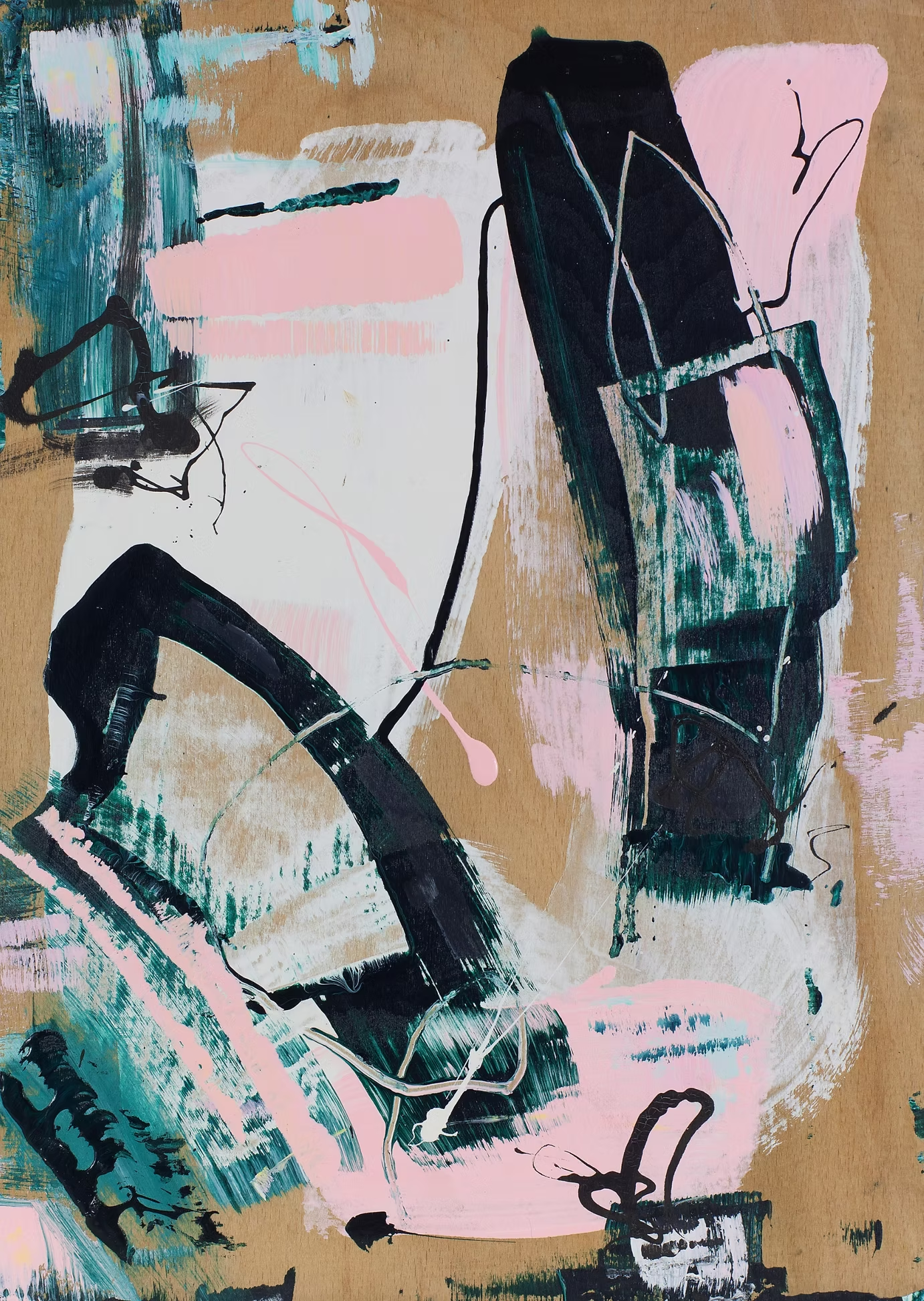
There’s rarely a big plan. Sometimes it’s a colour, a feeling, something I’ve seen, or just the need to get going. I usually find that the painting starts to tell me what it needs once I’ve made a few marks. I quite like not knowing exactly where it’s going.
Your process involves layering, scraping back and rebuilding. How do you decide what stays and what goes?
It’s a lot of trial and error, really. I’ll build something up, take bits away, cover things over and then bring parts back again. Sometimes I’ll spend ages on an area and then completely destroy it five minutes later. But I think those earlier layers are important, even when you can barely see them. They leave something behind, whether that’s texture, colour or just a feeling that you can’t quite put your finger on.
How do you balance instinct with composition, and what does working with your hands give you?
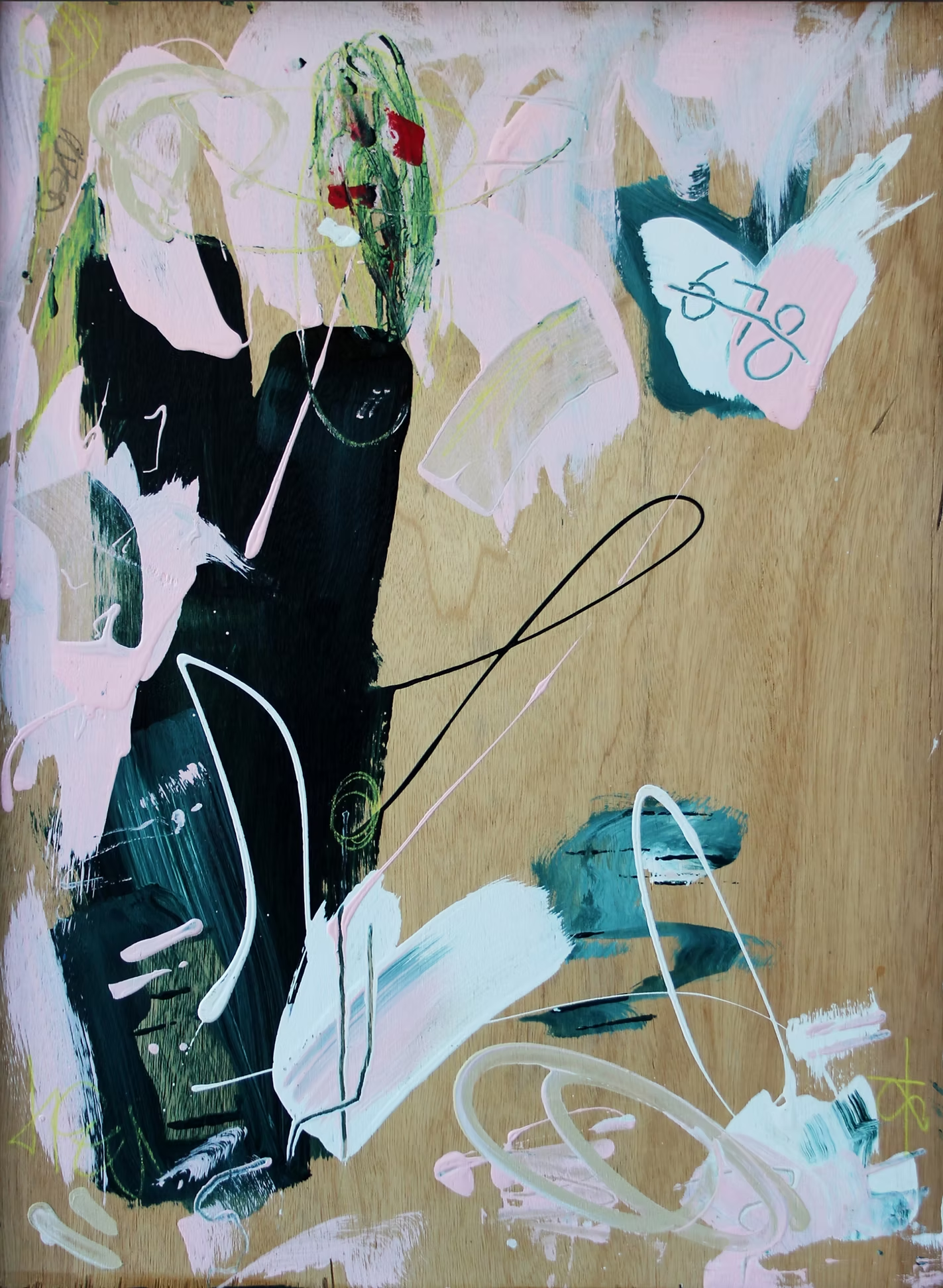
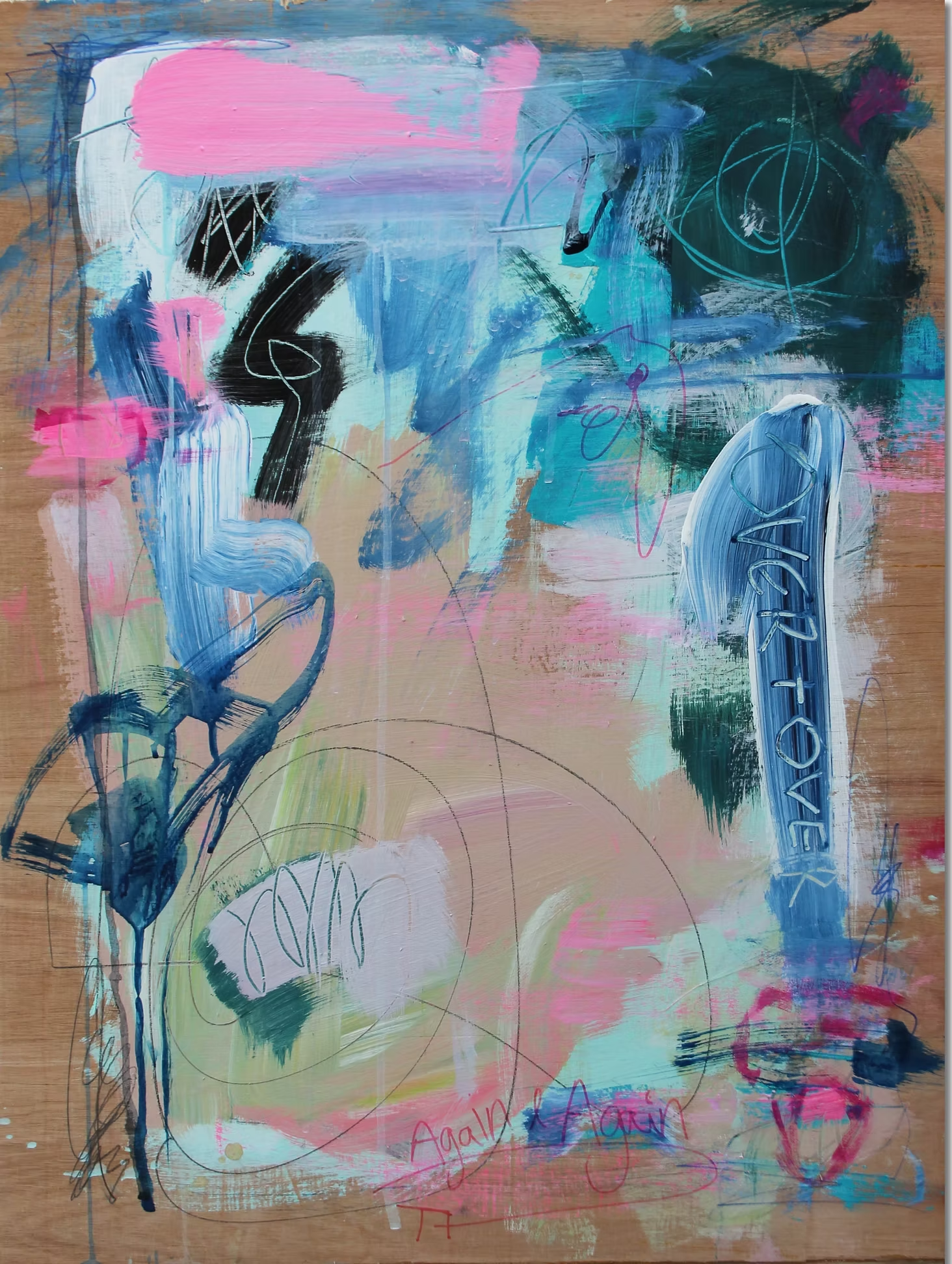
I try to work quite instinctively and not overthink things while I’m making the work. The composition tends to come together through the process rather than being planned beforehand. Working with my hands helps with that. It’s more direct and physical, and I can push, pull, drag and move things around in a way that feels less controlled. I’m interested in that space between making a decision and reacting to something that’s already happened.


Has your relationship with colour changed over time?
Definitely. I think I’ve become a bit more comfortable with colour and less worried about whether things work in a traditional sense. I’m drawn to colours that sit together in unexpected ways, and I like it when something feels slightly off but somehow still works. I tend to move between quite muted colours and much stronger, louder combinations depending on what the painting needs.
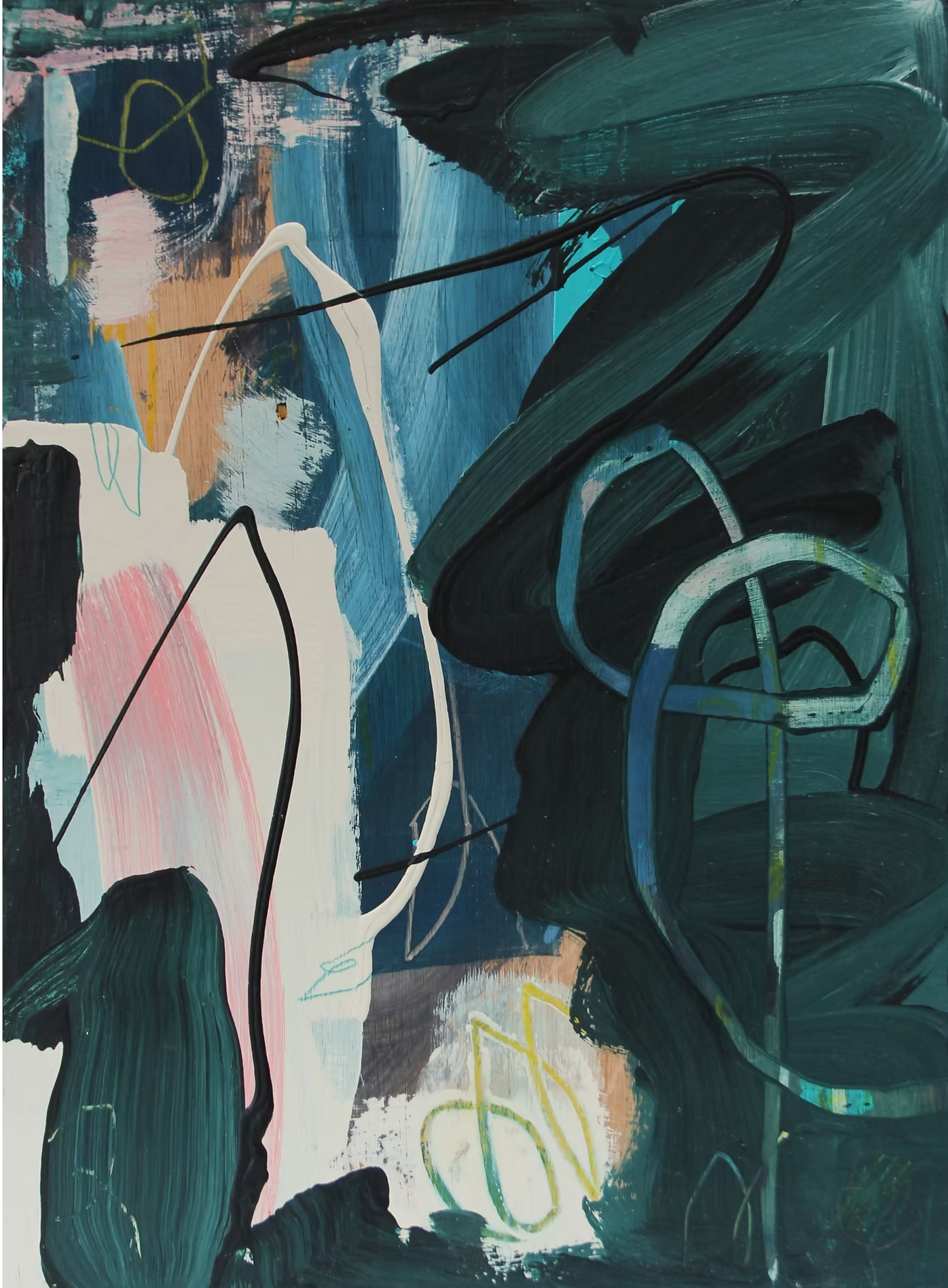
Does music influence your work, and does living in Margate play a part?
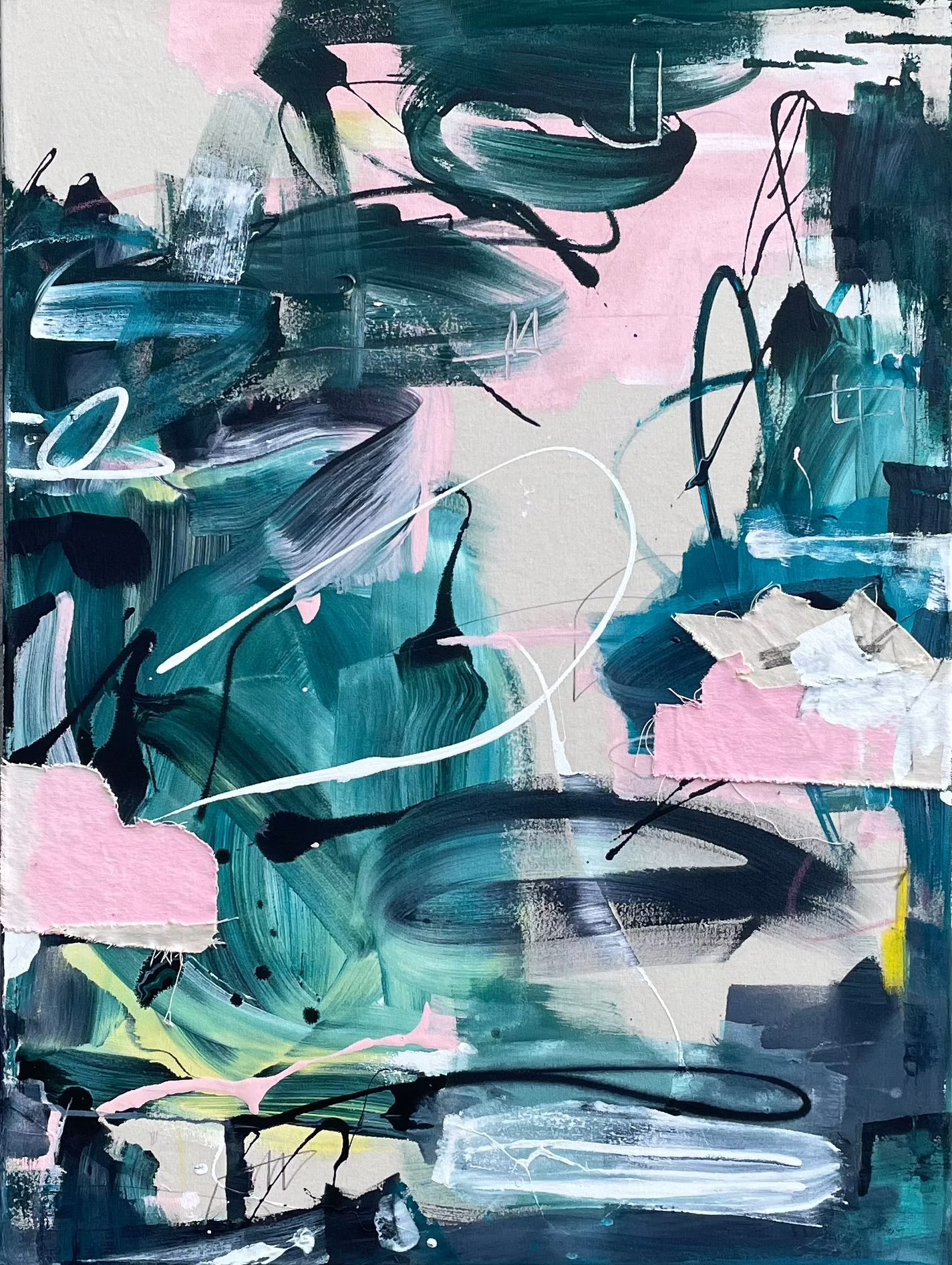
I’m always surrounded by music, and it can definitely affect the pace of working, although I wouldn’t say I’m trying to translate music into a painting. Living in Margate has probably had more of a subtle influence. Being by the sea, the changing light, the colours around me that I can see out of my studio window, even the journey back and forth to London… all of that finds its way in somehow. I’m not consciously painting those things, but they’re part of what I’m taking in every day.
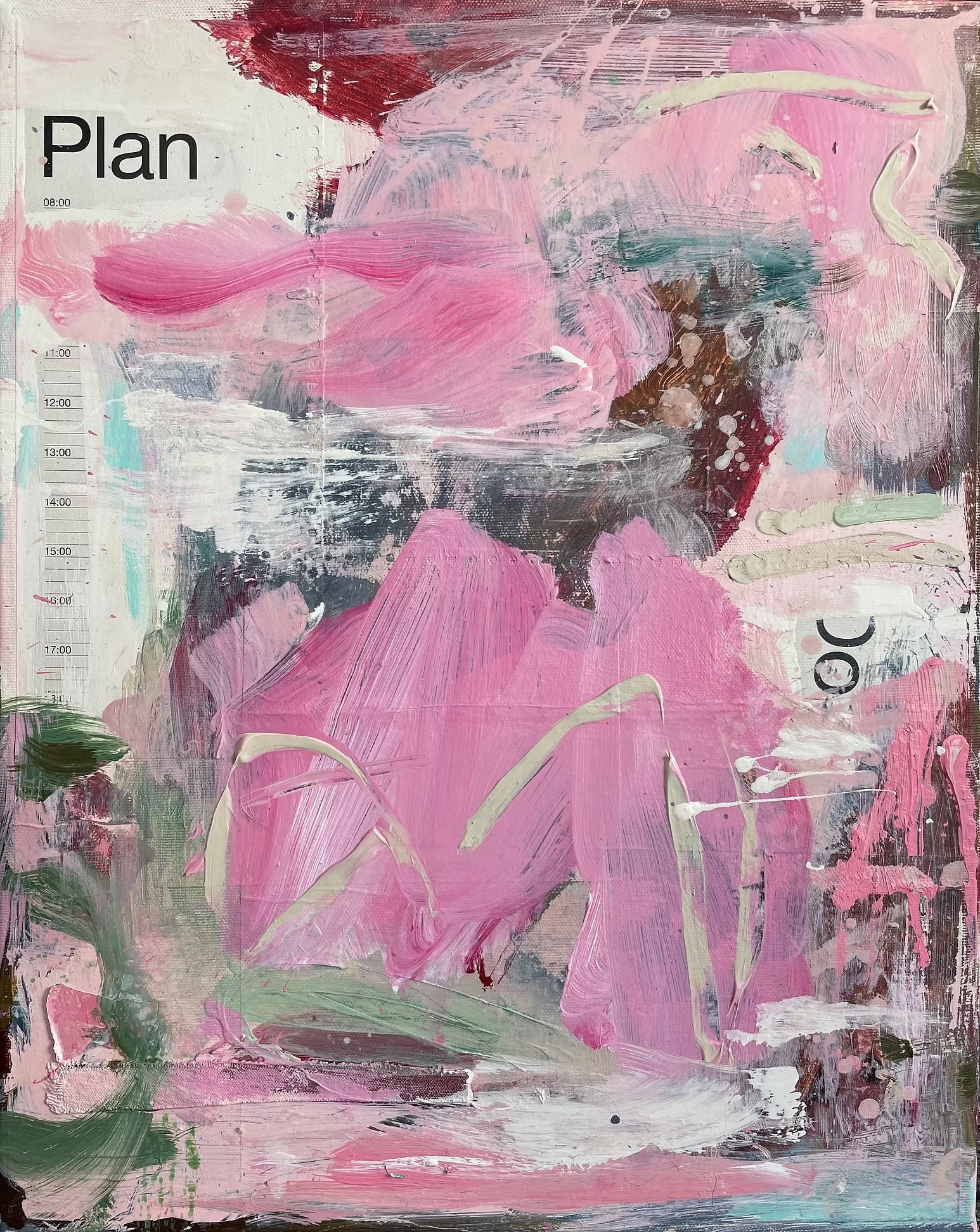
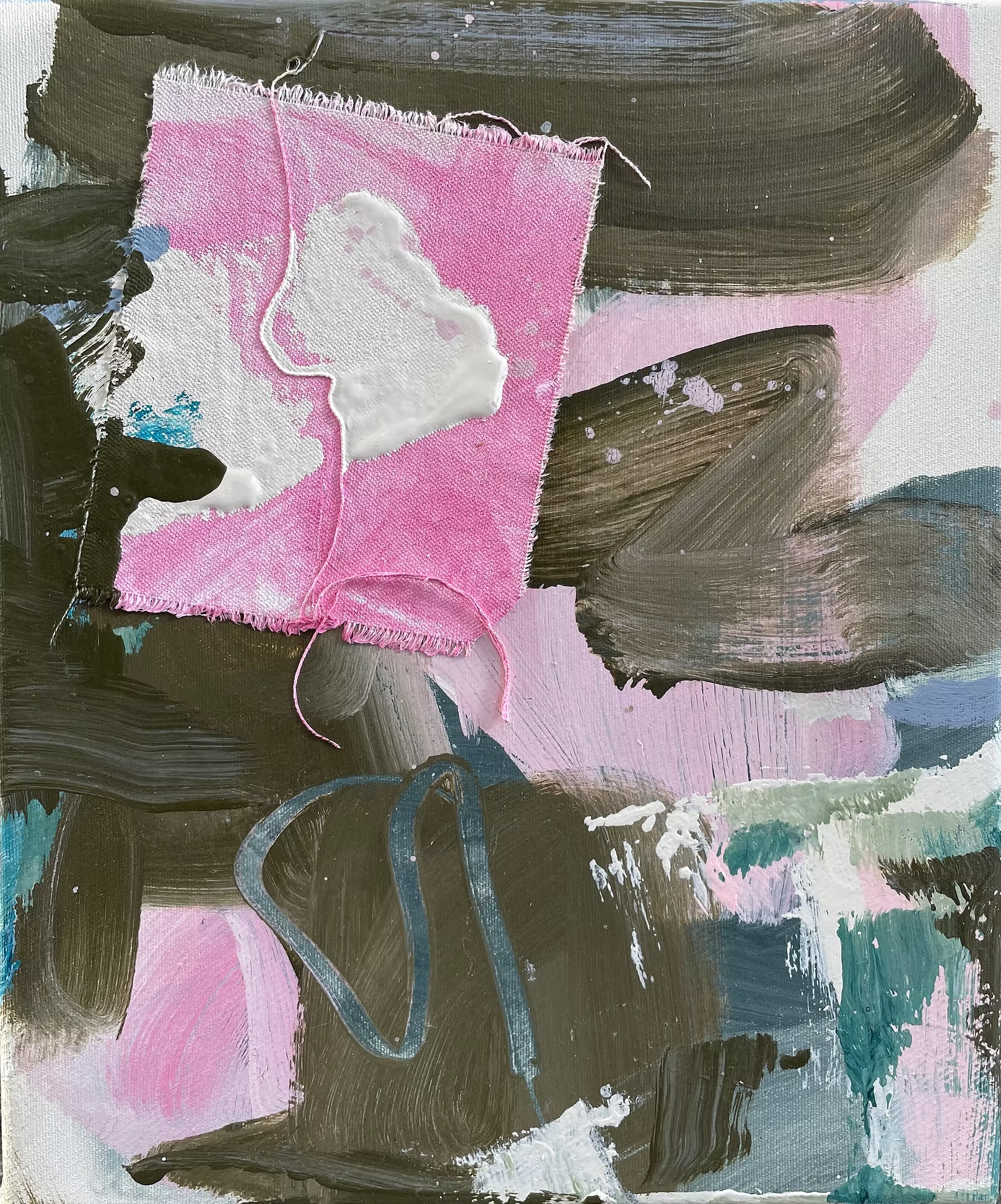
When a painting isn’t working, how do you know whether to keep going or start again?
Sometimes a painting needs to get worse before it gets better. I’ll keep adding, removing and changing things until something clicks. Other times, I have to accept that it’s not going anywhere and set it aside. Even then, I don’t really see it as wasted time. Something from it will usually find its way into another piece.
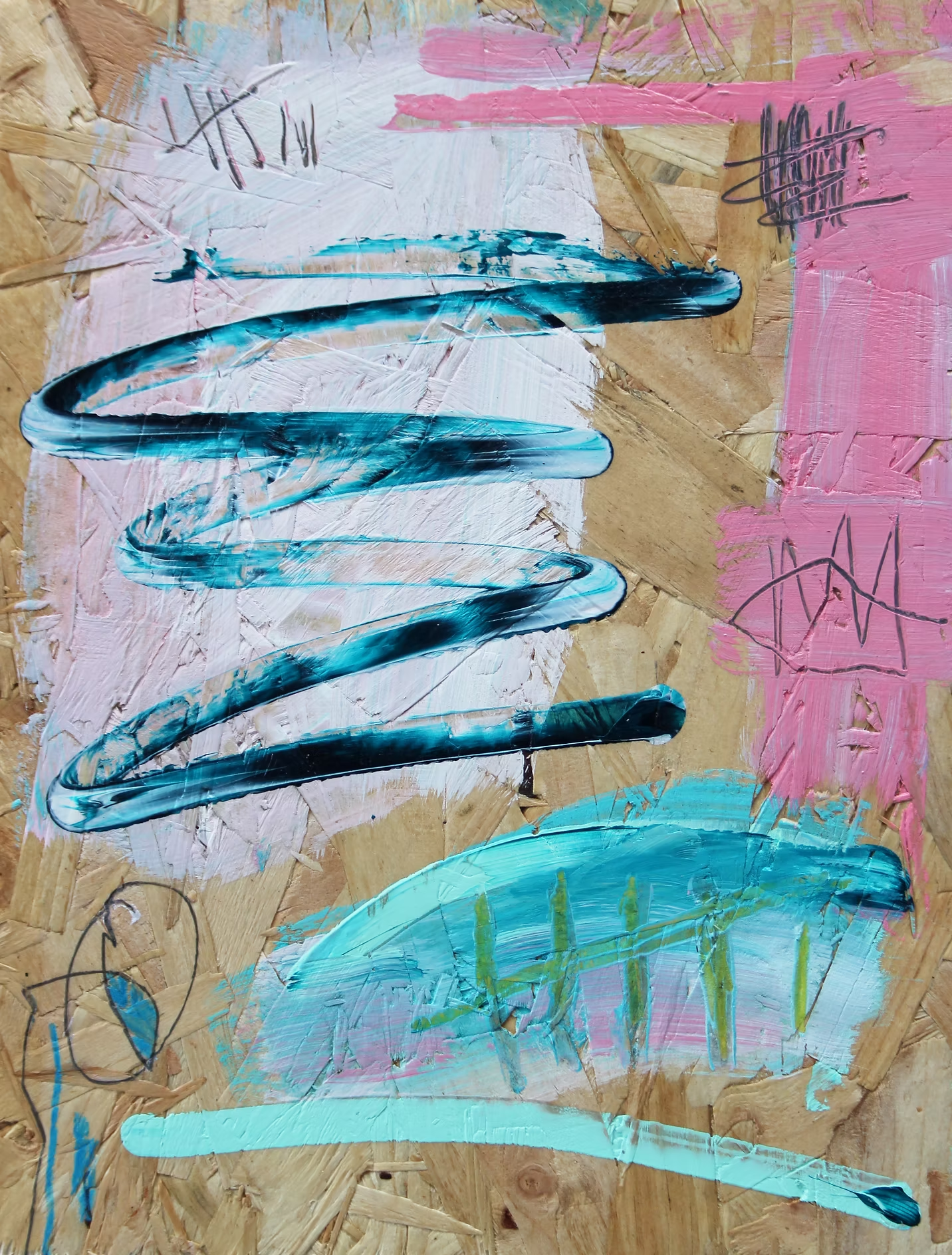
What are you exploring in your current work that feels new to you?
I’ve been experimenting more with different materials, including things you wouldn’t necessarily associate with painting. I recently used flexible adhesive plaster and furniture varnish in a piece, which opened up some interesting possibilities around texture and the way a surface behaves. I’m interested in pushing the paintings beyond just paint on canvas and seeing what happens when I bring in materials that have their own physical qualities. I’ve also been thinking more about the relationship between painting and sculpture, and how much a work can communicate through its surface, texture and the physical act of making it.
For more information, visit Marcus’s website and Instagram